Wired vs WiFi Home Automation Devices Explained
When building a smart home, one of the most common decisions is choosing between wired systems and WiFi-based home automation devices. Both approaches offer benefits depending on your home layout, budget, and long-term goals. Understanding the differences can help you build a system that fits your lifestyle.
What Are Wired Home Automation Devices?
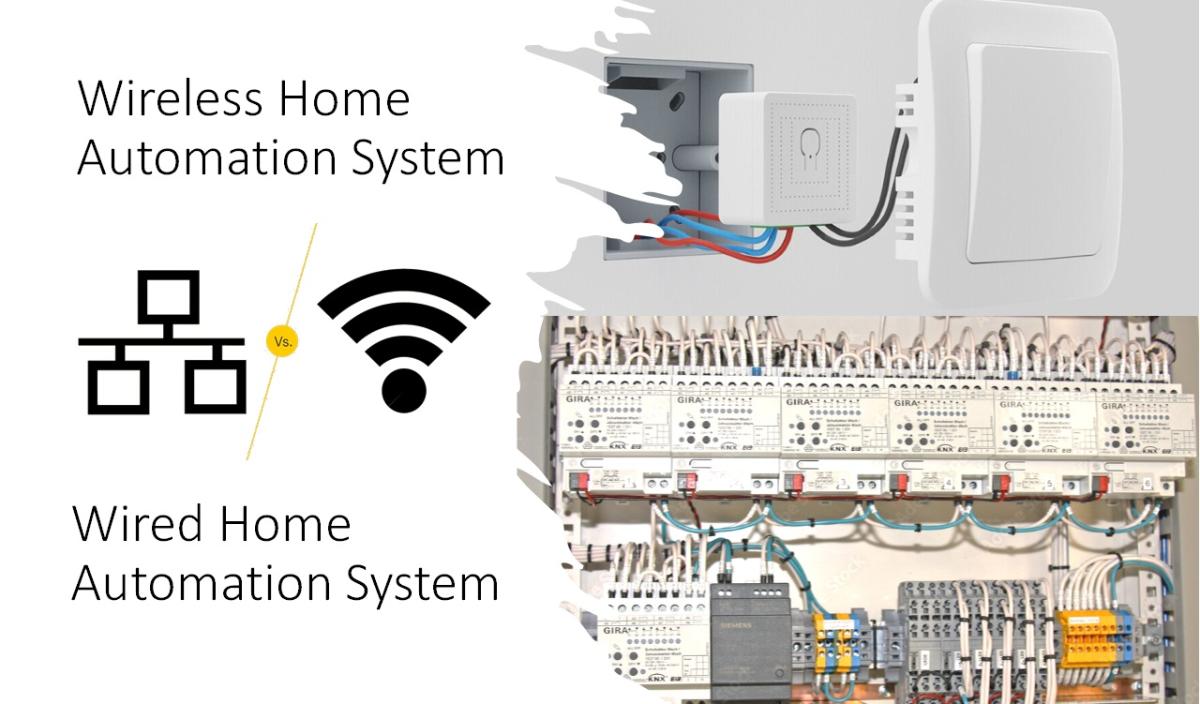
Wired home automation devices rely on physical connections installed inside walls or structured panels. These systems are often used in new construction or custom smart homes where reliability and long-term performance are priorities.
Wired automation is commonly used for whole-home lighting, advanced security, and centralized control systems. These setups often integrate with smart home hubs to manage multiple devices from one central interface.
What Are WiFi Home Automation Devices?
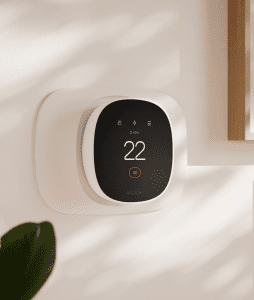
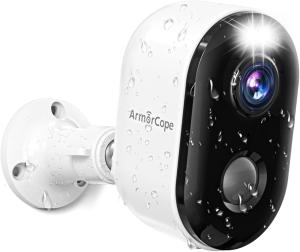
WiFi home automation devices connect wirelessly through your home’s internet network. Popular examples include smart lighting, smart plugs, smart cameras, smart doorbells, and smart thermostats.
These devices are popular because they are easy to install and require no permanent modifications. WiFi automation is ideal for renters, apartments, and homeowners who want flexible upgrades that can grow over time.
Key Differences Between Wired and WiFi Automation
The main difference between wired and WiFi home automation is flexibility. Wired systems offer strong reliability and consistent performance, while WiFi devices focus on convenience and ease of expansion. WiFi devices depend on a stable internet connection, while wired systems operate independently of wireless networks.
Cost is another factor. Wired automation typically involves professional installation and higher upfront costs. WiFi-based products are more affordable and allow users to build a system gradually, starting with one room or category.
Which Option Is Best for Most Homes?
For most households, WiFi home automation devices offer the best balance of cost, convenience, and performance. Categories like security and surveillance, temperature and climate control, and entertainment and audio are especially well-suited for WiFi-based setups.
Wired automation may be a better option for large homes or new builds where long-term infrastructure planning is possible. Many modern homes successfully combine wired foundations with WiFi devices for added flexibility.
Choosing the Right Smart Home Setup
The right smart home setup depends on how you live today and how you plan to expand in the future. Starting with WiFi devices allows you to explore automation without commitment, while adding a smart home hub can help unify and manage devices as your system grows.
Whether you choose wired automation, WiFi devices, or a combination of both, the goal is to create a connected home that improves comfort, security, and everyday convenience.
Many WiFi devices in Smart Lighting and Security & Surveillance categories work best when managed through Smart Home Hubs.
Many WiFi-based devices found in Smart Lighting and Security & Surveillance setups rely on strong connectivity, while centralized control is often handled through Smart Home Hubs. Entertainment devices from Entertainment & Audio categories also benefit from integrated automation.